

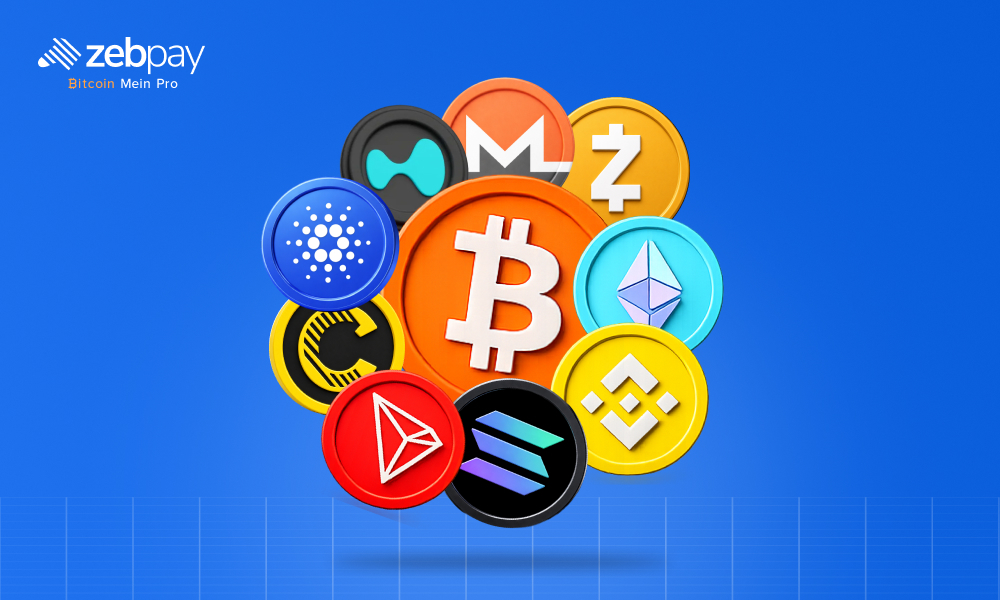
Layer-1 blockchains form the foundation of the crypto ecosystem, providing the core infrastructure for decentralised applications (dApps), smart contracts, and other blockchain-based solutions. Built on distributed ledger technology (DLT), these networks enable transactions to be processed and verified securely without relying on a central authority. By establishing consensus, validating transactions, and maintaining network security, Layer-1 blockchains provide the underlying infrastructure that supports the broader Web3 ecosystem.
The native crypto assets of these networks, commonly known as Layer-1 tokens, play a vital role in maintaining and using the blockchain. For example, Ether (ETH) is used to pay transaction fees and interact with smart contracts on Ethereum. Depending on the network, Layer-1 tokens can also support network governance, incentivise validators, and contribute to the overall security and operation of the blockchain.
As blockchain adoption expands, Layer-1 networks continue to drive innovation across the crypto ecosystem. At the same time, many are working to address challenges related to scalability, transaction speed, and network efficiency. In this article, we explore the top 10 Layer-1 crypto tokens by market capitalisation. The list is based on internal research and is intended for informational purposes only. Investors should conduct their own research before making investment decisions.
Also Read: Crypto Wallet vs Exchange: What is the Difference?
Top 10 Notable Layer-1 Coins
| Coin Name | Current Price | Market Capitalization | 24-Hour Volume |
| Bitcoin (BTC) | $63,681.23 | $1.27 trillion | $21.99 billion |
| Ethereum (ETH) | $1,887.89 | $227.85 billion | $7.88 billion |
| BNB (BNB) | $611.25 | $81.40 billion | $1.49 billion |
| Solana (SOL) | $75.99 | $44.26 billion | $1.40 billion |
| TRON (TRX) | $0.3357 | $31.86 billion | $613.16 million |
| Hyperliquid (HYPE) | $55.09 | $13.92 billion | $194.88 million |
| Zcash (ZEC) | $478.55 | $8.05 billion | $316.41 million |
| Cardano (ADA) | $0.1852 | $6.77 billion | $248.89 million |
| Monero (XMR) | $397.84 | $7.45 billion | $104.18 million |
| Canton (CC) | $0.09810 | $3.85 billion | $25.72 million |
Note: This list has been made based on internal research and should not be taken as investment advice. Investors should do their thorough research before buying or selling crypto assets.
Bitcoin (BTC)
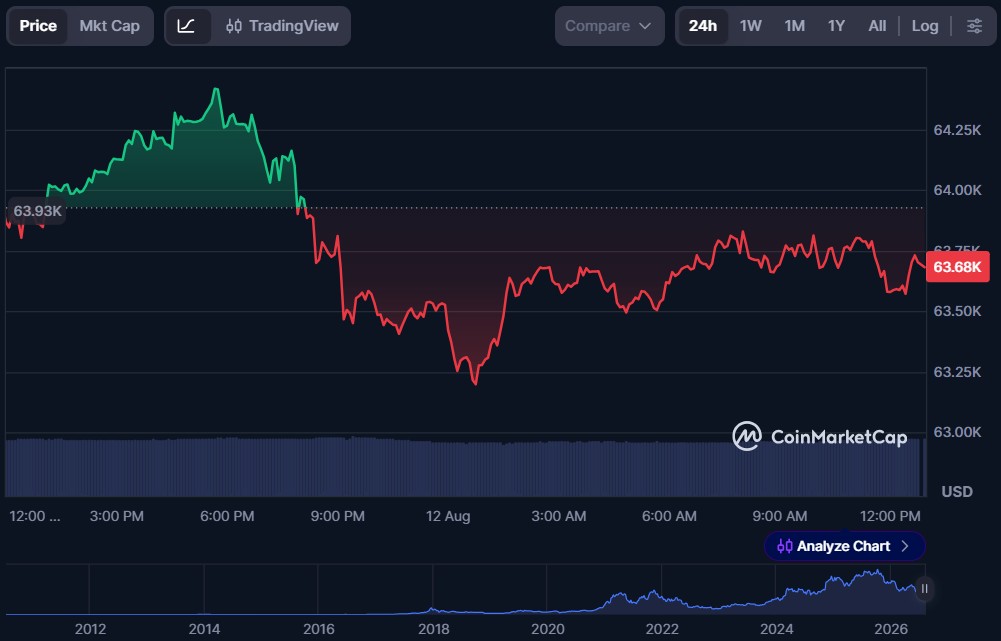
As the initial and most significant crypto based on market capitalization, Bitcoin continues to stand out as the premier layer-1 project. With a restricted supply of only 21 million tokens, Bitcoin is well-suited to function as a store of value. The Bitcoin Halving event, which took place in April 2024, triggered a prolonged bullish trend.
Ethereum (ETH)
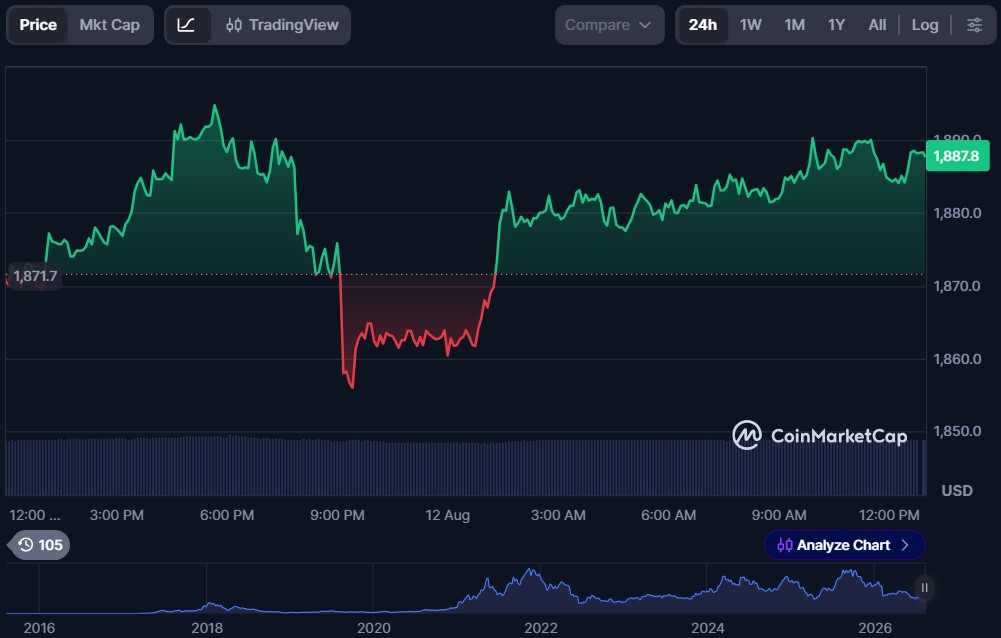
The Ethereum blockchain hosts thousands of crypto tokens, establishing it as the preferred layer-1 blockchain for developers. Ethereum encompasses a wide range of applications, including metaverses, play-to-earn games, and decentralised finance ecosystems. Despite its substantial market capitalisation in current trading, many analysts believe its current value represents only a fraction of its future potential.
BNB (BNB)
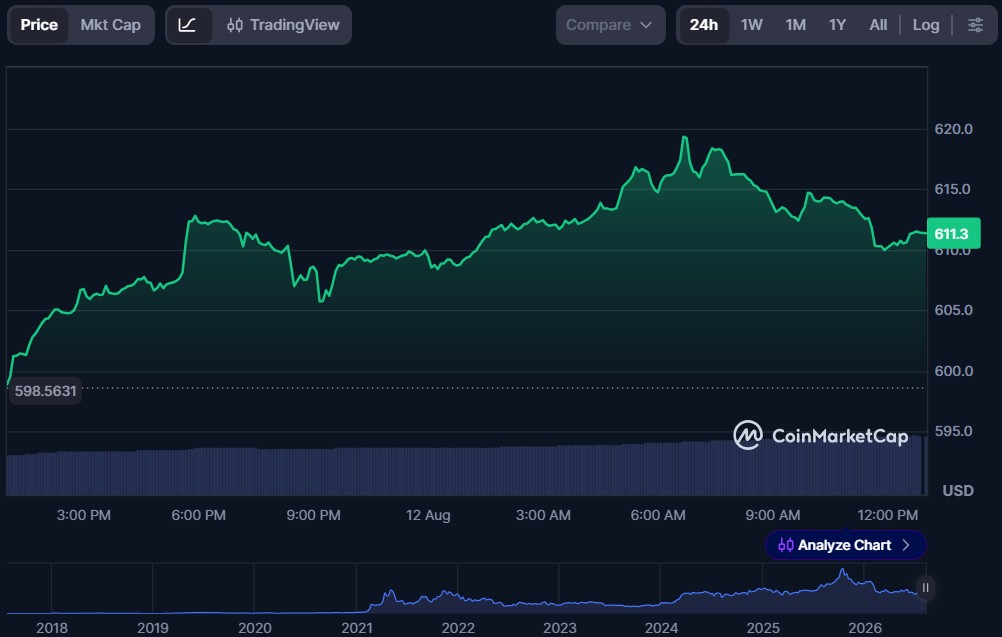
Supporting one of the largest crypto ecosystems globally, BNB serves as Binance’s primary layer-1 blockchain. It is essential for settling transaction fees on the BNB chain. BNB operates as a deflationary layer-1 project, with Binance regularly reducing tokens from the circulating supply.
Solana (SOL)
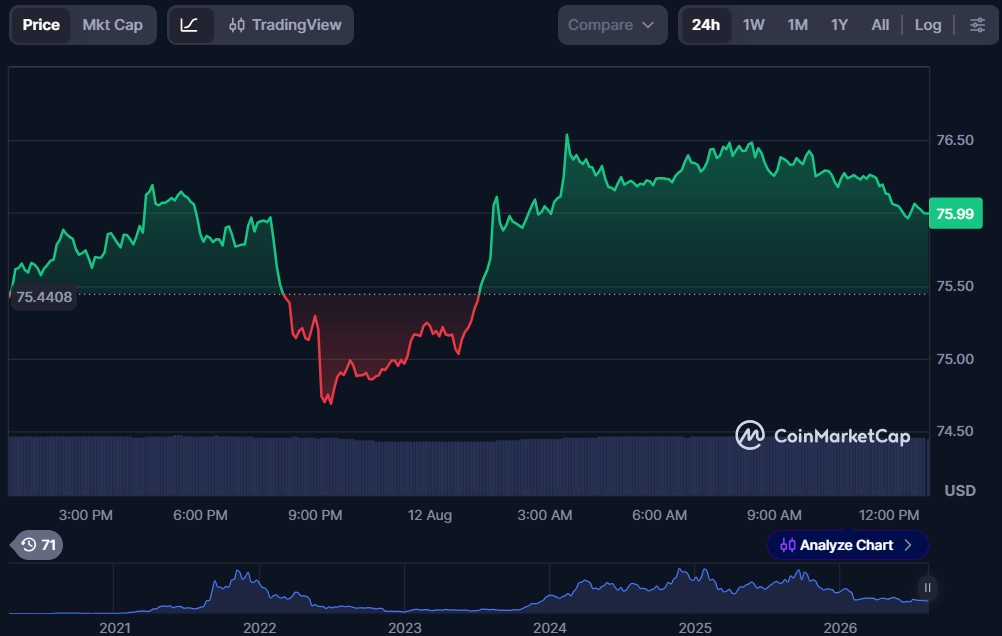
This primary blockchain layer presents a compelling substitute for Ethereum, particularly in terms of speed, cost efficiency, and scalability. Solana can manage smart contracts and decentralised applications without compromising security or energy efficiency.
TRON (TRX)
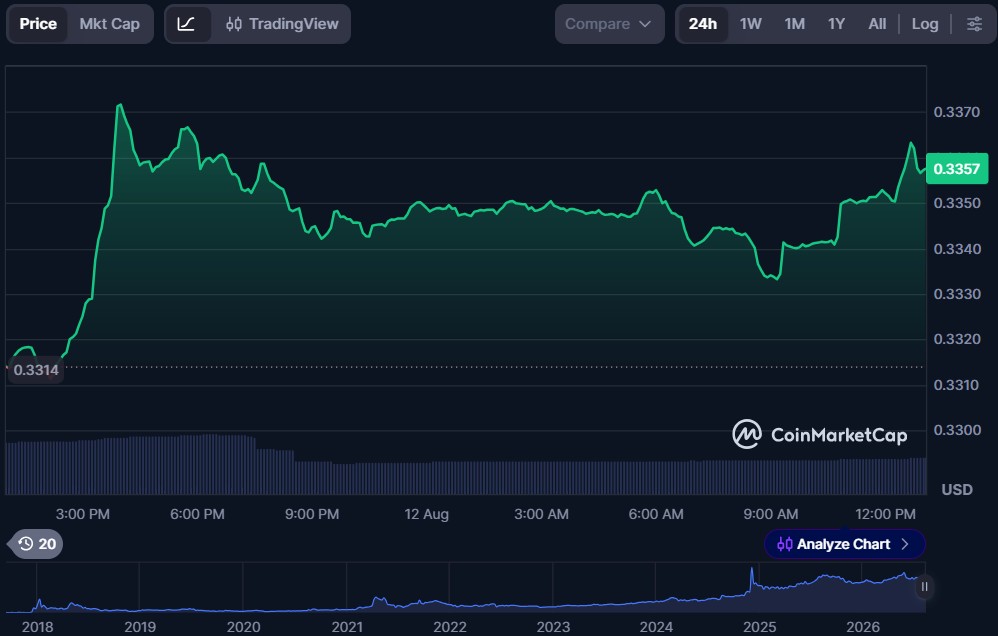
This Layer-1 blockchain is designed to support high-throughput applications, particularly in the areas of decentralised content sharing and digital entertainment. TRON focuses on fast transaction speeds and low costs, enabling developers to deploy smart contracts and decentralised applications at scale while maintaining network efficiency and accessibility.
Hyperliquid (HYPE)
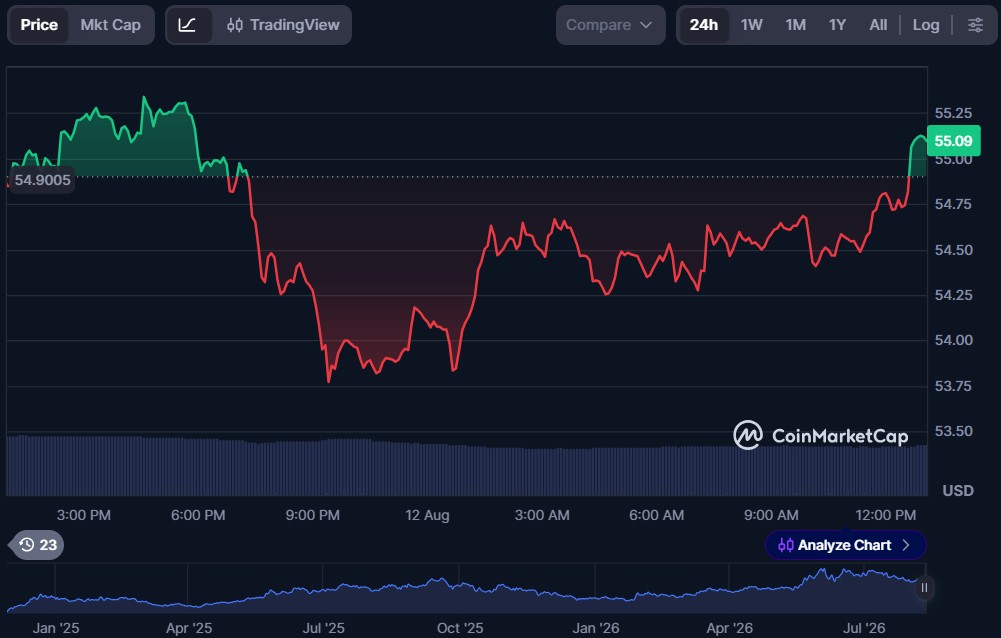
This Layer-1 blockchain is built with a strong focus on decentralised trading infrastructure, offering high-speed execution and low-latency performance. Hyperliquid is designed to support advanced on-chain financial applications, particularly decentralised derivatives, while maintaining transparency, scalability, and capital efficiency.
Zcash (ZEC)
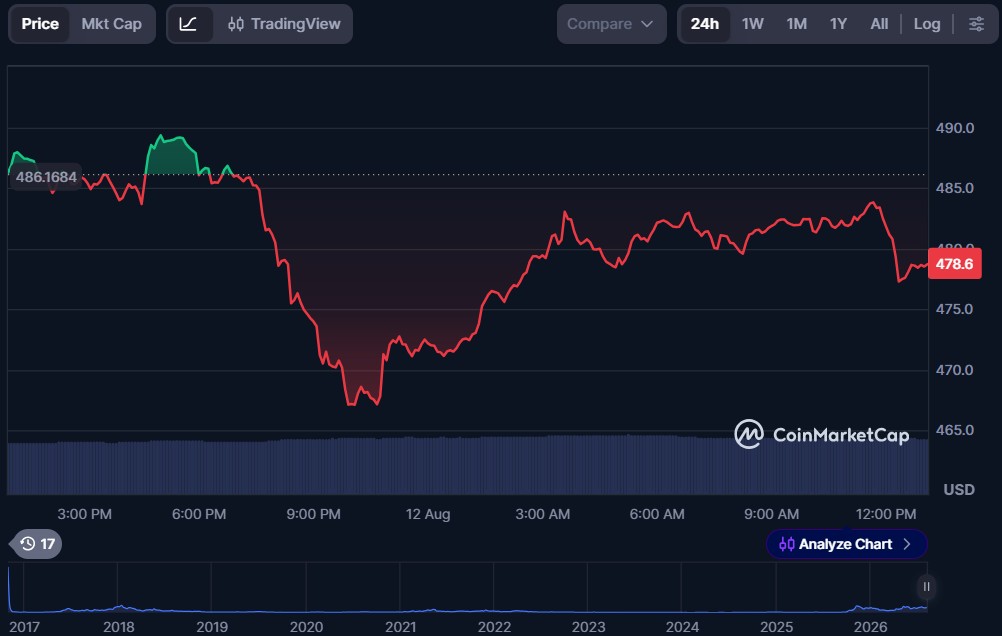
Zcash is a blockchain-based crypto designed to offer enhanced privacy and secure digital transactions through zero-knowledge proof technology known as zk-SNARKs. The project is widely recognized for enabling users to shield transaction details while maintaining blockchain security and transparency. Its privacy-focused innovation has also contributed to advancements in smart contracts and broader decentralized application development within the crypto ecosystem.
Cardano (ADA)
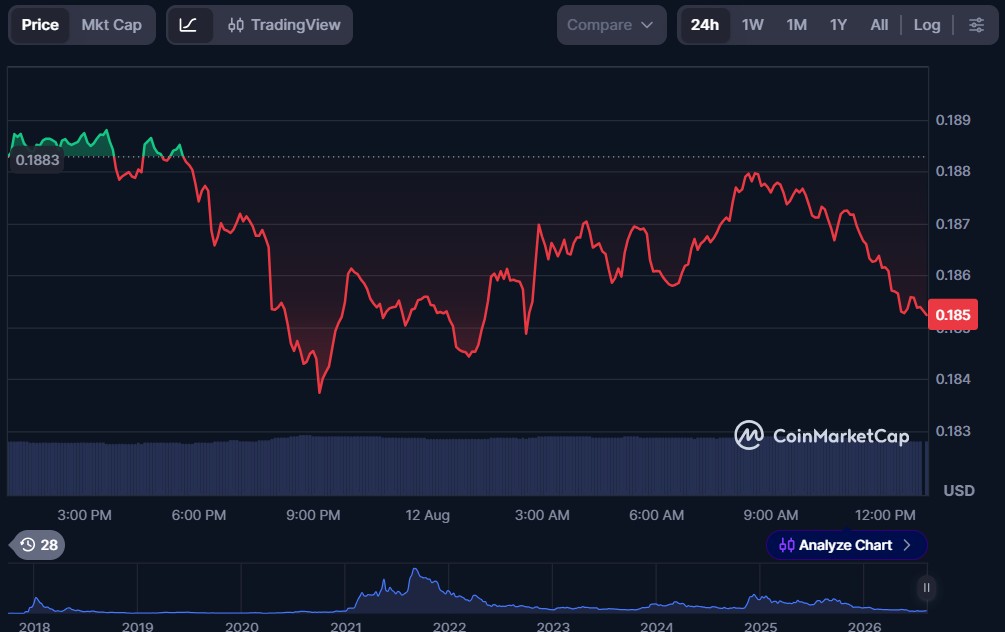
Cardano is a third-generation proof-of-stake blockchain platform that provides scalability, interoperability, and sustainability based on peer-reviewed academic research. It uses a specially designed proof-of-stake (PoS) blockchain protocol for consensus called Ouroboros. Cardano’s native asset is the ADA crypto, which plays a critical role in maintaining and operating the network.
Monero (XMR)
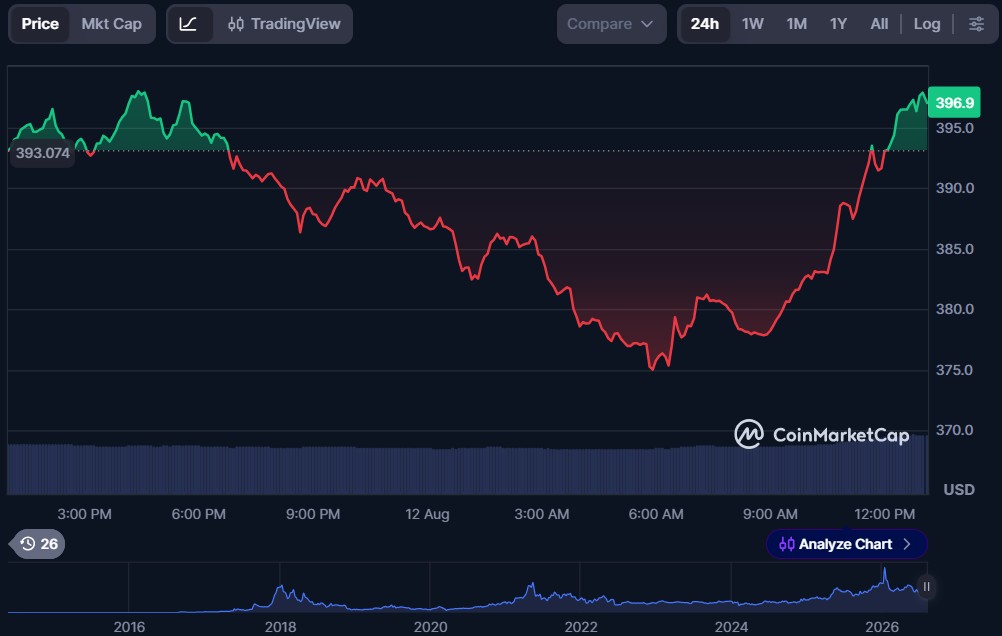
This privacy-focused Layer-1 blockchain is designed to enable secure, untraceable transactions through advanced cryptographic techniques. Monero prioritises user anonymity and fungibility, ensuring transaction details remain confidential while maintaining a decentralised and censorship-resistant network.
Also Read: What are Blockchain Oracles?
Canton (CC)
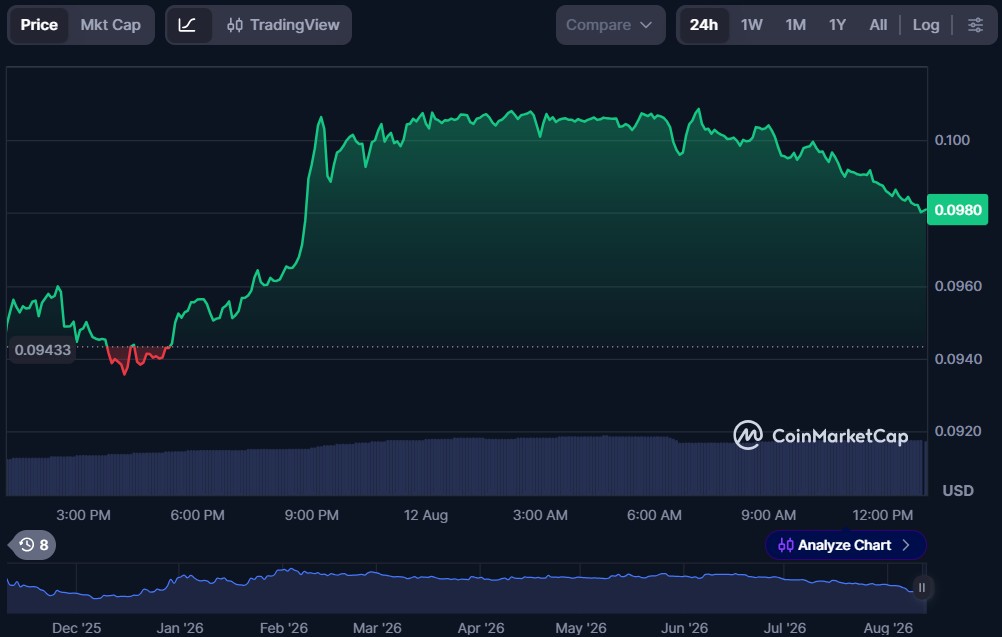
Canton (CC) is the native token of the Canton Network, a Layer 1 blockchain built to power institutional finance, tokenized real-world assets (RWAs), and compliant financial applications. It is used for transaction fees, validator incentives, and securing the network’s operations.
Should I Invest in Layer-1 Crypto Coins?
Layer-1 crypto tokens are often considered some of the more established assets in the crypto market because they power the foundational blockchain networks that support decentralised applications (dApps), smart contracts, and digital assets. Leading Layer-1 networks have built extensive ecosystems of developers, users, and real-world applications, making them an important part of the broader blockchain landscape. Their growing adoption, ongoing development, and network security have contributed to their prominence within the crypto market.
However, investing in Layer-1 tokens carries risks, as the crypto market can experience significant price fluctuations and evolving market conditions. Before investing, it is important to assess factors such as the underlying technology, token utility, network adoption, tokenomics, development activity, and long-term potential. Conducting thorough research and considering your financial goals and risk tolerance can help you make more informed investment decisions as the crypto ecosystem continues to evolve.
Also Read: What are Blockchain Layers
Unravel everything that you need for your crypto journey via ZebPay blogs. Get started today and join 6 million+ registered users on ZebPay!
FAQs
What is a Layer-1 blockchain?
A Layer-1 blockchain is the foundational blockchain network that processes and finalizes transactions, maintains consensus, and provides the base protocol on which decentralised applications (dApps) and secondary layers can be built. These networks operate independently and have their own native tokens used for fees and security.
How do Layer-1 blockchains maintain security and validate transactions?
Layer-1 blockchains use consensus mechanisms like Proof of Work (PoW) or Proof of Stake (PoS) to validate transactions and secure the network. In PoW, participants (miners) solve cryptographic puzzles to add blocks, while in PoS, validators stake tokens to earn the right to validate and secure the network.
Why are Layer-1 blockchains important for decentralised applications (dApps)?
Layer-1 networks provide the core infrastructure, processing power, security, and consensus needed for dApps, smart contracts, and token ecosystems to function. Without a robust Layer-1, higher-level applications wouldn’t have a reliable base to build on.
What are the main challenges Layer-1 blockchains face?
Common challenges include scalability limits (slower transaction throughput during peak usage) and, for some networks using PoW, higher energy consumption. These constraints are part of the “blockchain trilemma” balancing speed, decentralisation, and security.
How do Layer-1 and Layer-2 blockchains differ?
Layer-1 blockchains are the base networks that independently process transactions and maintain security. Layer-2 solutions are built on top of these base chains to improve performance, especially scalability and cost, by handling some transaction load off the main network while still relying on Layer-1 for settlement.